
A scholarship is financial support given to students to help them continue their education. Unlike loans, you don’t need to repay scholarships. It’s like someone believing in your dreams and investing in your future.
Think of it as a golden ticket that helps you enter the world of quality education without worrying too much about money.
Why Scholarships Matter
Education is powerful, but it’s also expensive. Scholarships remove financial barriers and open doors for talented students. They help you focus on learning instead of stressing about fees.
Simply put, scholarships turn “I can’t afford it” into “I can do it.”
Types of Scholarships

Merit-Based Scholarships
These are awarded to students with excellent academic records. If you score high marks, rank well in exams, or perform well in competitions, these scholarships are for you.
Your hard work becomes your biggest asset here.
Need-Based Scholarships
These are given to students from financially weaker backgrounds. If your family income is low, you may qualify for these scholarships.
They are designed to support students who have talent but lack money.
Sports and Talent-Based Scholarships
Good at sports, music, dance, art, or drama? You can get scholarships based on your talent.
Your passion can become your passport to education.
Government and Private Scholarships
- Government scholarships are offered by national and state governments.
- Private scholarships are provided by NGOs, companies, and trusts.
Both are valuable. Don’t ignore either.
Who Can Apply for Scholarships?
Academic Eligibility
Most scholarships require minimum marks or grades. Some ask for specific subjects or streams.
Always read eligibility rules carefully.
Financial Eligibility
Need-based scholarships usually have income limits. You may need to submit income certificates.
Honesty is important here.
Special Category Scholarships
Some scholarships are for:
- Girls students
- Disabled students
- Minority communities
- Rural students
These are created to promote equality.
Where to Find Scholarships
Government Websites
Check official education and scholarship portals regularly. These sites publish verified information.
Make it a habit to visit them monthly.
University Portals
Many colleges offer internal scholarships. Visit your university website or scholarship office.
Sometimes, the best opportunities are right in front of you.
Private Organizations
Companies, banks, and foundations also offer scholarships. Search their official websites.
Big brands often invest in education.
Online Scholarship Platforms
Use scholarship websites and apps to find multiple options in one place.
They save time and effort.
How to Prepare for Scholarship Applications
Building a Strong Profile
Your profile includes:
- Academic records
- Achievements
- Skills
- Activities
Work on improving these areas early.
Improving Academic Performance
Good marks matter. Create a study schedule, revise daily, and ask for help when needed.
Consistency beats talent without discipline.
Developing Extra Skills
Learn communication, leadership, and technical skills. Join clubs, seminars, and workshops.
These make your application stand out.
Required Documents for Scholarships
Academic Certificates
You may need:
- Mark sheets
- Passing certificates
- Enrollment proof
Keep scanned copies ready.
Income Proof
Income certificate, salary slips, or tax returns are often required.
Make sure they are valid and updated.
Identity Documents
Common documents include:
- Aadhaar card
- Passport
- Voter ID
Ensure details match your application.
Recommendation Letters
Some scholarships require letters from teachers or principals.
Ask early and politely.
How to Write a Winning Scholarship Essay
Understanding the Prompt
Read the essay question carefully. Know what they want: your goals, struggles, or achievements.
Answer the question directly.
Structuring Your Essay
A good essay includes:
- Introduction
- Main story
- Conclusion
Tell your story clearly and honestly.
Avoiding Common Mistakes
Avoid:
- Copy-paste content
- Grammar errors
- Fake stories
Be real. Be you.
Step-by-Step Application Process
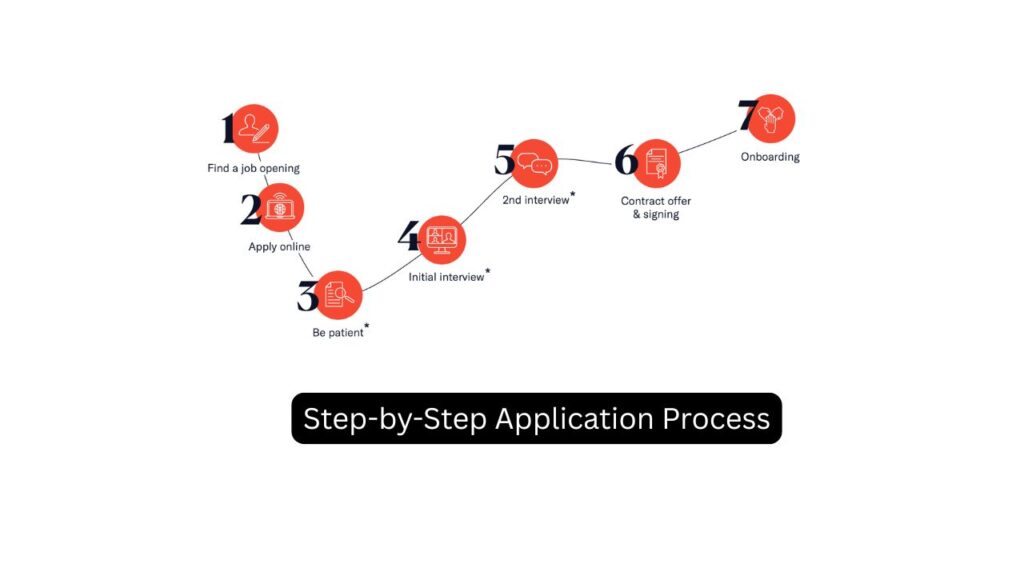
Online Registration
Create an account on the scholarship website using your email and phone number.
Use correct details.
Form Filling
Fill personal, academic, and financial details carefully.
One small mistake can cost you.
Uploading Documents
Upload clear and readable documents in the correct format.
Double-check before uploading.
Submission and Tracking
Submit the form and save the application number. Track your status regularly.
Don’t forget to follow up.
Tips to Increase Your Chances
Applying Early
Early applications avoid last-minute problems and show seriousness.
Never wait for deadlines.
Applying to Multiple Scholarships
Don’t depend on one option. Apply to many scholarships.
More attempts = more chances.
Staying Organized
Use folders, spreadsheets, or notebooks to track deadlines and documents.
Organization is your secret weapon.
Scholarships for International Students
Popular Global Scholarships
Many countries offer scholarships for international students. These cover tuition, living costs, and travel.
They help you study abroad without heavy expenses.
Country-Specific Opportunities
Different countries have different programs. Research based on your target country.
Planning is key.
Common Reasons for Rejection
Incomplete Applications
Missing documents or empty fields lead to rejection.
Always review before submitting.
Poor Essays
Weak essays fail to impress. Invest time in writing.
Your story matters.
Missing Deadlines
Late applications are usually rejected automatically.
Set reminders.
How to Stay Motivated During the Process
Handling Rejections
Rejection hurts, but it’s not the end. Learn, improve, and try again.
Every “no” brings you closer to “yes.”
Staying Focused
Stay positive. Remember why you started.
Your future is worth the effort.
Managing Your Scholarship Funds
Budget Planning
Plan how to use your scholarship money wisely:
- Fees
- Books
- Accommodation
- Travel
Spend smartly.
Avoiding Misuse
Don’t waste funds on unnecessary things. Some scholarships require expense reports.
Be responsible.
Digital Tools to Help You
Scholarship Apps
Many apps notify you about new scholarships and deadlines.
Use technology to your advantage.
Online Planners
Use digital calendars and to-do apps to stay on track.
Small habits create big results.
Role of Mentors and Teachers
Seeking Guidance
Teachers and mentors know the process well. Ask for advice.
One good guide can change everything.
Getting Recommendations
Maintain good relationships with teachers. Respect and sincerity matter.
They reflect your character.
Future Opportunities After Getting a Scholarship
Career Growth
Scholarships improve your resume. Employers value such achievements.
It shows dedication and talent.
Higher Studies
Many scholarship holders get better chances for masters and PhD programs.
It’s a stepping stone.
Final Checklist Before Applying
Verification
Check:
- Personal details
- Documents
- Eligibility
- Deadlines
Be thorough.
Read also:-
- How to Apply LIC Scholarship: A Complete Step-by-Step Guide
- How to Apply NSP Scholarship – Complete Step-by-Step Guide
Submission Review
Read everything once more before submitting.
One last check can save you.
Conclusion:-
Getting a scholarship is not about luck. It’s about preparation, persistence, and belief in yourself. When you research well, work hard, and apply smartly, opportunities naturally come your way.
Remember, thousands of students get scholarships every year. There is no reason you can’t be one of them. Start today, stay focused, and never stop trying. Your dreams deserve support.
FAQs:-
1. Can I get a scholarship with average marks?
Yes, many need-based and talent-based scholarships don’t require top grades. Focus on other strengths.
2. How many scholarships should I apply for?
Apply for as many as you are eligible for. More applications increase your chances.
3. Are scholarships available for private colleges?
Yes, many government and private scholarships cover private institutions too.
4. Do I need perfect English for scholarship essays?
No, but clarity matters. Simple, honest writing works best.
5. What should I do if I get rejected?
Analyze mistakes, improve, and apply again. Rejection is part of success.